They refused to fade quietly.

The book features over 40 real people who refused to accept that their working lives were over.

22+ case studies on this site
17 chapters of insights
no expiry date

Real people. Real reinvention.

Short introductions below

Each story is told in full in Expiry Date Never. Register your interest to be first to hear when the book launches.

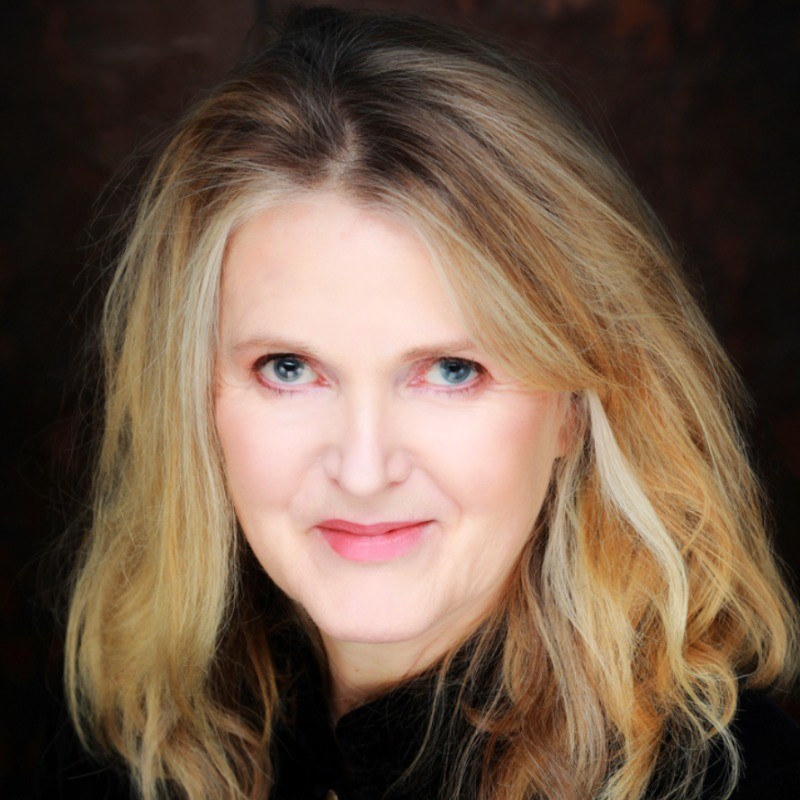
Lucy Kellaway

Lucy Kellaway

Tackling the toughest education challenges

Respected Financial Times journalist who became a teacher at 57 and co-founded Now Teach to bring experienced people into the classroom.

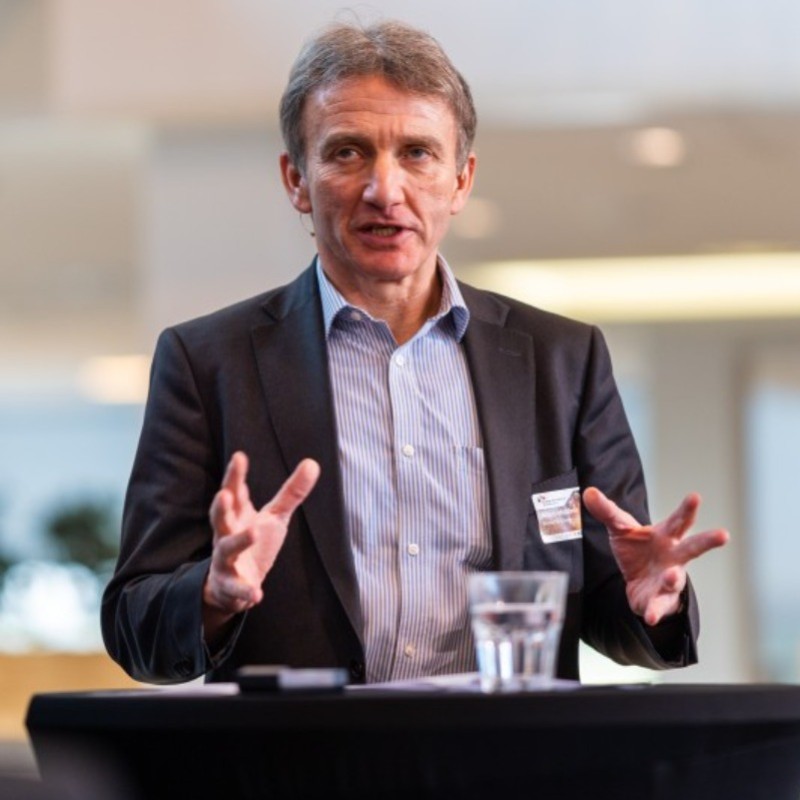
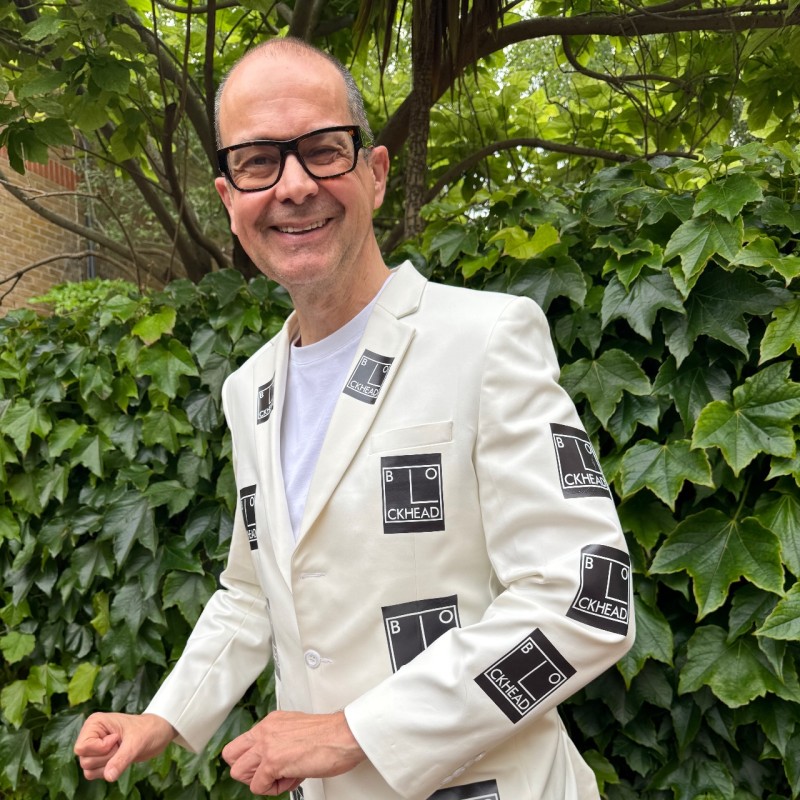
Stuart Neilson

Stuart Neilson

Discovering a new voice and career through LinkedIn

Left a senior leadership role without a clear plan and used LinkedIn to find his voice on respectful leadership and ageism.

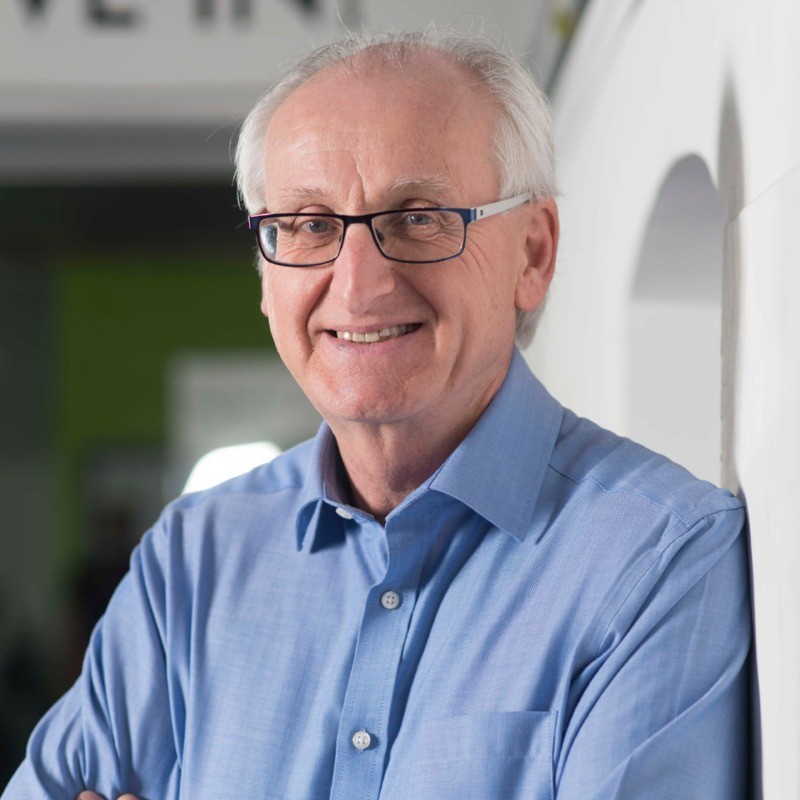
Ann Elliott

Ann Elliott

Branding on LinkedIn to support a non-executive portfolio

A hospitality lifer who built a deliberate LinkedIn brand and turned post-Covid coffees into a paid non-executive portfolio.

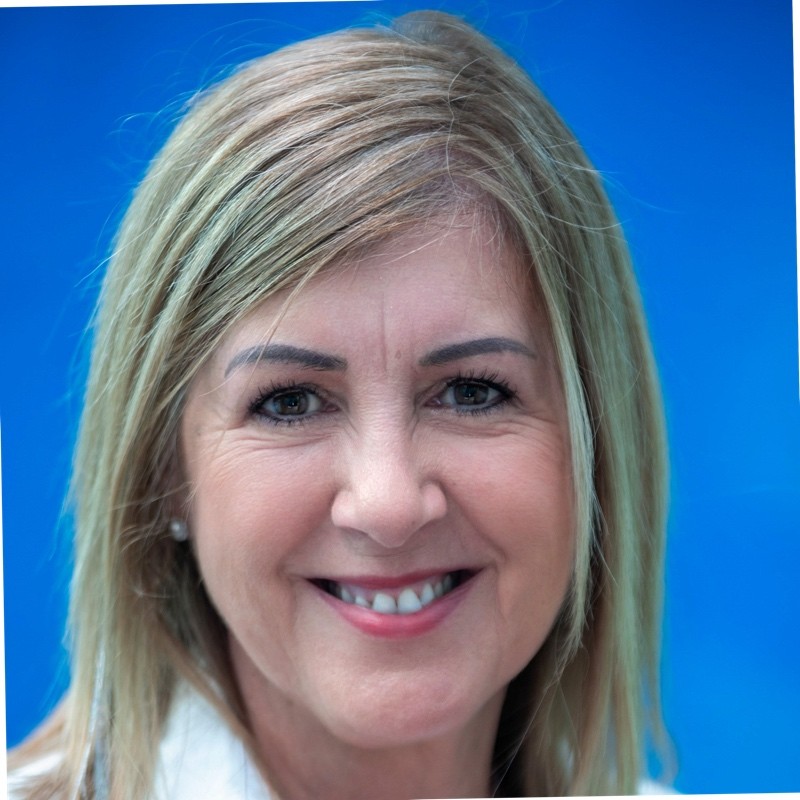
Frances Harper

Frances Harper

From hospital receptionist to BBC filmmaker

At 60, after a career as a secretary and hospital receptionist, Frances heard a radio interview in the bath and decided to make her first documentary.

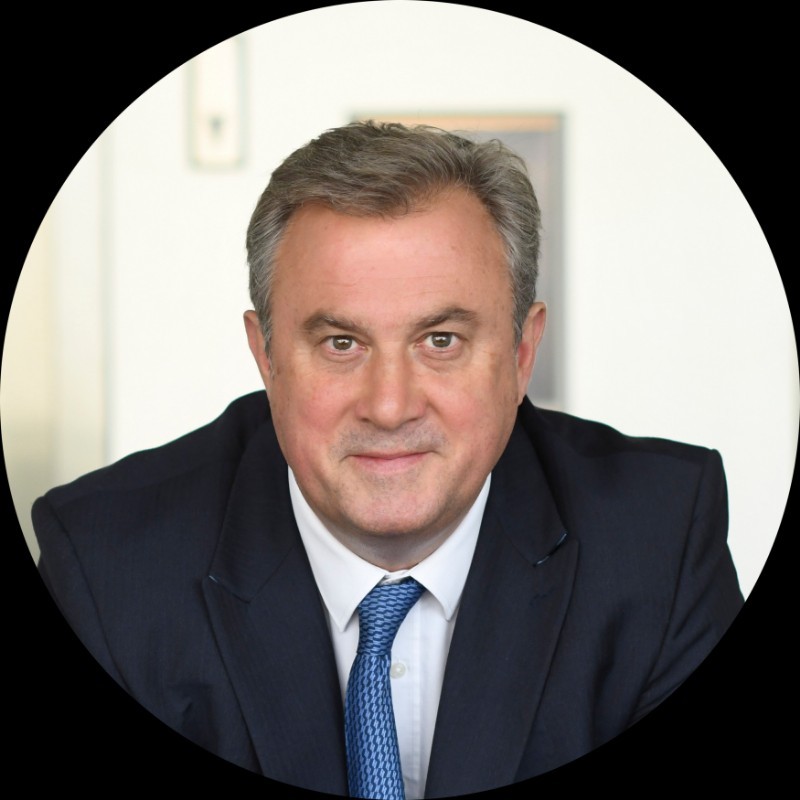
Peter Anstiss

Peter Anstiss

International defence to regeneration at 70

After decades at BAE Systems, Peter took on a paid role at 70 as Chief Executive of Team Barrow, delivering the UK's nuclear deterrent and transforming Barrow's economy.

Ranjit Arora

Ranjit Arora

Building a national and international portfolio without networks

A career in teaching, teacher training, research and middle management in Further and Higher Education Colleges - built without a network, almost entirely by applying for advertised roles.

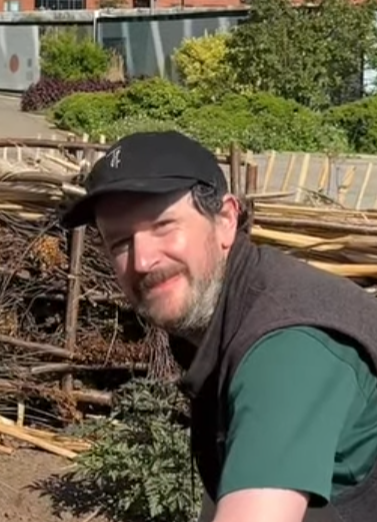
Jim Pearson

Jim Pearson

Volunteer gardening transformed his retirement

A former Shell senior manager who found unexpected joy as a volunteer gardener with English Heritage at Wrest Park.

Michèle Dennison

Michèle Dennison

Even senior HR leaders miss the longevity revolution

Most recently Head of HR Operations at Oxfam, Michèle realised at 60 she had missed the scale of the demographic shift reshaping the workforce.

Sarah Taylor Phillips

Sarah Taylor Phillips

Crafting work when the system says no

Founder of Career Voyage, helping people in their 50s and beyond redefine their proposition when recruitment systems no longer recognise them.

Sheena Hastings

Sheena Hastings

Journalist to classroom support

After 35 years in journalism, including many as chief feature writer at The Yorkshire Post, Sheena retrained as a Dyslexia Teaching Assistant in a Leeds high school.

Elizabeth Jackson

Elizabeth Jackson

Passion for gardening became a business

After leaving an executive search business felt 'like a bereavement', Elizabeth built a small flower-growing business with her husband.

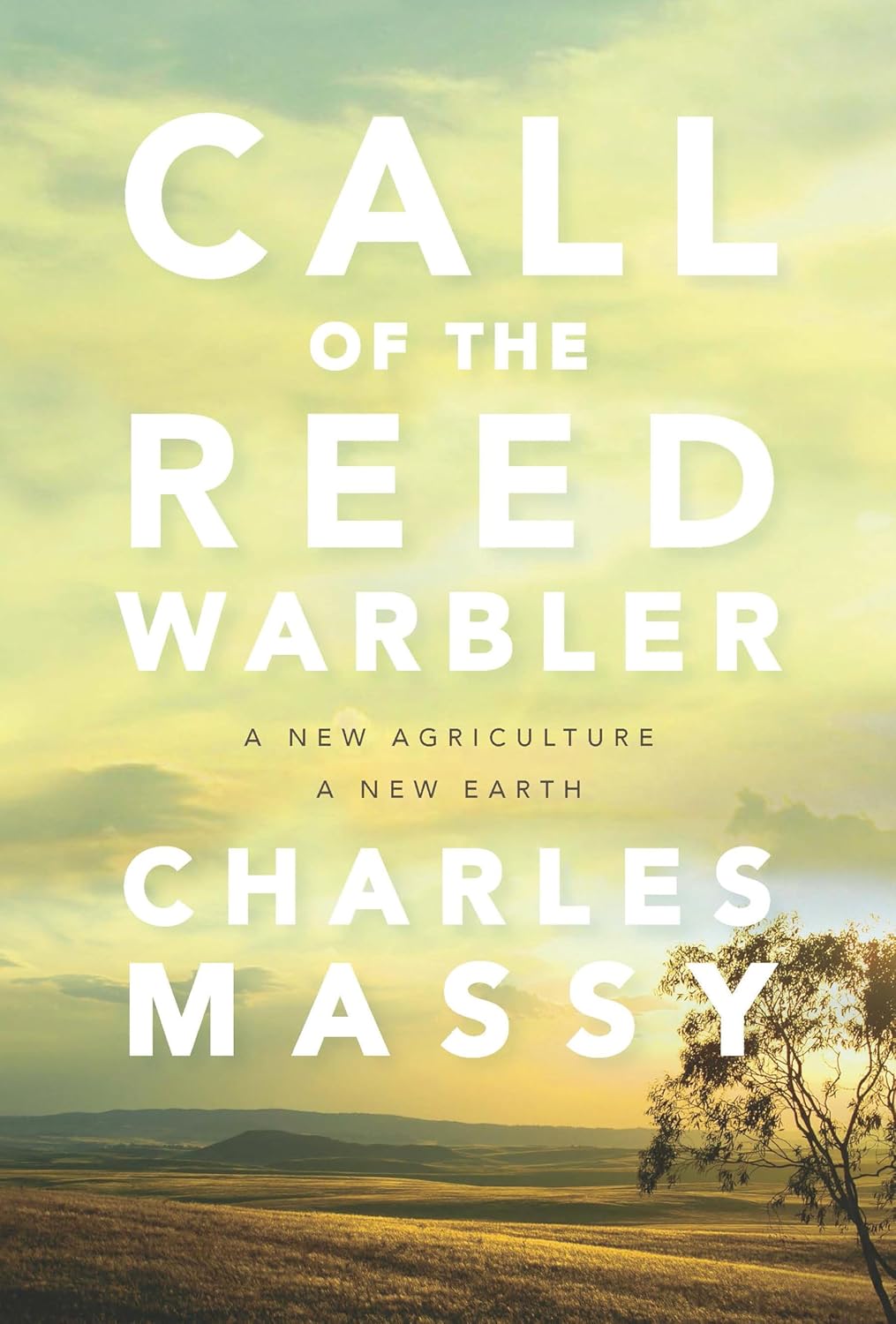
Charles Massy

Charles Massy

Regenerating the land at 56 (Australia)

A New South Wales farmer who enrolled at university at 56 to understand the natural systems he had been fighting against for decades.

John Hart

John Hart

Why 'shoulder-to-shoulder' helps men open up

Found premises in Harrogate and created a place where men come together to make and repair things for the local community.

Dr Ornit Avidar

Dr Ornit Avidar

The Ability of Age

Former diplomat, tech CEO and investor who founded WaterWays, bringing clean water village by village across rural Africa.

Prof Wendy Loretto

Prof Wendy Loretto

Later-life health is safe to discuss … at work

Led University of Edinburgh research with 145 workers aged 50+ on what she calls 'hidden health at work', revealing fear, silence and 'double discrimination'.

Bob Charlton

Bob Charlton

The parts nobody talks about

Former Clifford Chance partner and Head of Asia at Addleshaw Goddard, now running a portfolio of advisory and general counsel roles - and candid about how hard the transition has been.

Rod Roman

Rod Roman

The power of alumni networks done well

Former global tax partner at EY who founded the EY Charity and Trustee Network, now exceeding 120 members.

Liz Gray

Liz Gray

EY's partner transitions - the power of a packed parachute

Director of EMEA Transitions at EY, who has built one of the most influential partner-transition programmes in professional services.

John Shinnick

John Shinnick

From partner to trusted adviser

After 21 years as a Grant Thornton audit partner ended abruptly at 58, John built a portfolio of around seven advisory relationships over 12 years.

Michael and Brigitte Barker

Michael and Brigitte Barker

The purpose gap after selling a business (New Zealand)

After selling five-generation family firm Barker's of Geraldine to The Andros Group, Michael found a new mission promoting Geraldine itself.

Trevor Hatton

Trevor Hatton

So much more than volunteering

Former partner at Accenture and EY who felt lost in early retirement, retrained as a coach and became a key team member at Next-Up.

Adam Middleton

Adam Middleton

Rewriting the rules for managing an ageing workforce

Formerly Vice President, Siemens Energy, Western Europe - who tackled the loss of tacit knowledge from a retiring cohort of technical sales engineers.

Want to read the full stories?

Every story above is told in full in Expiry Date Never. Register your interest to be first to hear when the book launches.

Stories told in full - beyond the book.

We interviewed many more remarkable people than we could fit in the book. Here are their stories, in their own words.

Elly Fiorentini

Elly Fiorentini

Age is irrelevant

Open shareable page →

Award-winning BBC reporter and presenter Elly Fiorentini has never defined herself by age. “Age doesn’t exist in my world,” she says. Growing up, her mother refused to disclose her age: Elly has always thought of herself as 45 and her mum thought of herself as 21. It was never discussed, and it never mattered.

That outlook has shaped how Elly lives and works. She believes ageing is a privilege and that kindness and curiosity should guide how we treat one another, whether in the workplace or in our communities. In her own neighbourhood, she values the quiet reciprocity of intergenerational living – people looking out for one another, offering help when it’s needed, and recognising how much richer life is when generations mix naturally.

At work, Elly is passionate about reversing the usual flow of ideas. Older colleagues should not simply present solutions, she argues, but actively ask younger people how they think things should work. When broadcasting and journalism became digital, Elly leaned into learning – asking for help, adapting quickly, and continuing to mentor and coach people around the world.

For Elly, age is irrelevant. What matters is respect, openness and staying engaged with life.

What can we learn?

  • We need to stop focusing on age – curiosity, kindness and openness matter far more
  • Intergenerational living and working don’t need programmes to start; they begin with everyday behaviours in our own communities
  • Learning flows both ways: experience brings judgement, younger voices bring fresh perspective
  • Staying engaged means being willing to ask for help, adapt and keep learning at every stage of life
David Patient

David Patient

Building a legacy through the Durham Law School Alumni Association

Open shareable page →

"When David Patient stepped down as managing partner of Travers Smith in 2021, one role quickly led to another. As he recalls, “I was tapped up by Simon Davis, a former President of The Law Society of England and Wales, and a senior partner at Clifford Chance, who had been involved in reshaping the Law Society Council and creating a new seat to represent what are known as the "Major Corporate" firms. I was asked if I’d put my hat in the ring – and I decided to go for it. I was elected in a contested election in the autumn of 2021, and became the first representative of these members on the Council.”

That role also brought David onto the board of the City of London Law Society as the Law Society Council’s representative. It was here that another opportunity surfaced. At a dinner, he found himself sitting next to Stephen Denyer, a former Allen & Overy partner, who David had known for many years, and who was at that time Director of Strategic Relationships at The Law Society. When David mentioned that he had studied History at Durham, Stephen, a fellow Durham alumnus, told him about plans to appoint new members to the University Law School’s advisory board.

David was keen to help. He was introduced to the Dean and invited to join the advisory board, bringing with him a private practice and firm leadership perspective that complemented the academic and judicial voices already involved.

The board’s chair was Sir Andrew McFarlane, President of the Family Division of the High Court. Alongside the Dean and Professor Philip Bennett – Durham’s first Professor in Practice and a former Slaughter and May partner – a broader idea began to take shape: creating a Durham Law School Alumni Association. It would be deliberately inclusive, open to anyone who had studied at Durham and gone on to a legal career, regardless of their degree subject and Association for all "Durham lawyers”, not just law graduates.

David agreed not only to help get the Association off the ground, but to chair its executive committee. Over six months, he and Philip worked through the practicalities: drafting a constitution, selecting 40 founding members and planning a launch in Durham and a celebratory at Durham Castle. The signing ceremony was attended by the Vice-Chancellor and Association co-presidents Lord Hughes of Ombersley and Lady Black of Derwent, both former Supreme Court judges and Durham alumni. From the outset, the aim was to build something credible and lasting, with clear governance and a close link back to the University, complementing the existing University and College alumni networks.

Accessibility mattered from the start, and over the following 12 months the Association grew to over 1000 members from private practice, the Bar, and in-house, and from around the world. For a second dinner in Durham, in September 2025, this time to celebrate the anniversary of the launch, David persuaded ten law firms he knew well, each to contribute the sum of £750 to the costs of holding the dinner, keeping ticket prices low enough for those at the beginning of their careers to be able to afford to attend. The intention was simple: to bring younger alumni, trainees and early-career lawyers into the room alongside senior figures, and to make intergenerational connection the norm rather than the exception.

The Durham Law School Alumni Association was set up with a clear purpose. Its members understand what employers are really looking for – whether in law firms, chambers, in-house teams or academia – and use that insight to support students through mentoring, employability skills and career guidance. The Association helps keep teaching and research connected to practice and acts as a bridge between the University and the legal profession, in the UK and overseas. That connection supports strong graduate outcomes and makes a real difference to how Durham is seen by prospective students, particularly those coming from abroad.

All of this feeds into Durham’s wider reputation and success, including its position in the rankings and recognition in this year’s Times and Sunday Times rankings as University of the Year.

For David, it comes back to legacy. Durham had been a formative part of his own life. With more time, strong networks and decades of experience, he has been able to help build something that will continue long after his own involvement.”

Gary Rumens

Gary Rumens

Intergenerational volunteering as two-way learning

Open shareable page →

David, a retired solicitor and lifelong gardener, volunteers on urban greening projects across Manchester. Working alongside him is Gary Rumens, 39, who came to volunteering after Covid furlough halted his retail career and pushed him to notice how little green space existed in the city centre.

Gary began by organising a small litter-picking group. That quickly grew into wider environmental work, including volunteering with the Plant Co-operative CIC and Clean & Green Castlefield, helping communities turn neglected urban spaces into biodiverse gardens.

When Gary and David first worked together, Gary assumed David's age and experience meant fixed views. The opposite proved true. David brought deep horticultural knowledge and patience; Gary introduced no-dig techniques, permaculture beds and a more experimental, nature-led approach. Each learned from the other.

This kind of intergenerational volunteering, where expertise flows both ways, has become central to Gary's work. Volunteers are encouraged to experiment, share skills and shape projects together. The result is stronger outcomes, greater confidence and a sense of shared ownership - a powerful reminder that experience and innovation work best when combined, not separated.

Today, Gary works for Plant Co-operative four days a week supporting city-centre gardening projects, teaching sustainable methods such as food growing, seed saving and pesticide-free gardening. He says, "Networking and volunteering did indeed help me land my ideal job".

Kate Cook

Kate Cook

Health enables choice, not withdrawal

Open shareable page →

When Kate Cook, author and nutritionist of 25 years, turned 60, she noticed a pattern she could no longer ignore. Many people reached their late 50s and early 60s with ambition and experience intact, but with health that quietly limited what they could do next. Options narrowed not because of age, but because energy, resilience and confidence had already been eroded.

Working across corporate settings, Kate saw this repeatedly. People wanted to keep contributing, learning or reshaping their work, but arrived at this stage depleted and unprepared. Health, she realised, was not a wellbeing add-on but a decisive factor in whether people had any real choices left.

That insight led her to develop Thrive After 55, a programme designed to help people think earlier and more deliberately about longer working lives, with health as a foundation rather than an afterthought. The focus is not on extending work at all costs, but on preserving the capacity to decide what comes next.

Kate is particularly critical of the language we use. “People rarely think ahead,” she says, “and the word ‘retirement’ is unhelpful. It literally means withdrawing from life.” In her experience, many people begin withdrawing years before they stop working, adjusting expectations downward instead of redesigning what might still be possible.

Her argument is simple. In a world where working lives are extending by 20 or 30 years, health increasingly determines not how long people work, but whether they have the freedom to choose how they contribute at all.

Elton Mouna

Elton Mouna

A voice, a mission and The Good Apple Effect

Open shareable page →

Elton Mouna has spent his life in pubs. He ran three of them before moving into corporate roles - becoming Head of PR and Marketing at a respected pub, hotel and brewing company.

After years in big organisations, he joined Remarkable Pubs, a small East London group, and discovered a different way of leading. “I took the disciplines I’d learned in large companies, but applied them in a less ‘big corporate company’ way which I found wonderful and above all matched my personal values so much better.” He brought structure, refreshed the offer and helped shape a business he was genuinely proud of.

By his late 50s, everything was going well. He could have stayed until a traditional retirement but felt restless. He gave a year’s notice to leave at 59. Then Covid hit. “I couldn’t walk away in a crisis. I had all these relationships with managers and staff. It wouldn’t have been right.” He stayed until the pubs were through lockdown and recovery, then finally stepped away.

He had worried that leaving corporate life might feel like losing identity. Instead, the stillness of the pandemic gave him time to breathe. “The merry-go-round of work stopped for everyone which meant I blended in, but crucially it gave me time to really think.”

From that pause, Elton reinvented himself. He launched a hospitality podcast to help the sector recover, paid for the studio himself and recorded a series that unexpectedly opened new doors. Coaching assignments, writing for a trade magazine, video interviews filmed on his phone and even an unpaid but joyful Friday-morning news slot on Talk TV followed. One of his early employees later hired him for projects. “I made myself the biggest target for opportunity.”

He insists he has never been happier. He sleeps better, he is fitter, he studies NLP for fun and he stays active without taking on stress. “For years I was Head of this, Director of that. Now I’m just me – and that’s more powerful.”

But in his early sixties another shift came, and it has become the most important chapter of all.

In the widely-read hospitality focused publication, Propel, Elton wrote an opinion piece about two memories that had stayed with him since childhood. As a boy he had watched a classmate being bullied and always felt a sense of regret that he had not been the one to intervene. A few years later Elton himself was bullied by an older boy in the town he lived. It was his mother who marched round to the shop where the bully worked to put a stop to it.

He then went on to write about bullying in the hospitality industry, “I have always been on high alert to bullying and, during my career in hospitality, I witnessed a lot and was on the receiving end of a lot. But when you’re in the mêlée of it all, with a mortgage and the kids at home, and when the cash reserve is more of a cash puddle, it is difficult to speak out. Conversely, when you’re mortgage-free, the kids have flown the nest and the pension is topped-up, it is so much easier to speak out about the bullying in our sector, just like I am doing now and will continue doing.”

Writing about these moments (plus corporate bullying) decades later triggered an extraordinary response.

Messages poured in from across the hospitality industry; “If you want to do something about bullying, we’ll stand with you.” Chefs, managers, charities and industry figures told him this issue was everywhere and rarely spoken about. Many said, “It doesn’t get addressed in kitchens. It’s part of the culture. No one calls it out.”

Elton decided to act. He has brought together organisations and leading individuals from across the sector - from the British Association for Counselling and Psychotherapy to individuals such as Hawksmoor’s Ceri Gott and UKHospitality CEO Kate Nicholls, who has agreed to be an ambassador.

One charity has already offered seed funding. He is creating a community interest company, a website and a movement he calls The Good Apple Effect – the idea that one person behaving well can change the culture around them. The logo is a single apple dropping into water, sending ripples outwards.

People have begun to approach him. A head chef told Elton he had been a bully until he worked for someone who quietly said, “We don’t do that here,” and showed him another way to lead. A woman told Elton she had left a job she loved because of the culture. She is thriving elsewhere. “It’s their loss,” he says.

Asked why he is doing this now, Elton is clear. “I’ve got a voice now and I can use it. I want to achieve my ikigai. I don’t want another top job. This feels good.” The CIC will pay him a modest salary but that is not the point. He has found a mission that uses every part of his experience, and one he can do for as long as he chooses. At some stage he will hand it on, but he will always be part of it.

Few people show more powerfully what later life can unlock.

What can we learn from Elton

  • Leaving a corporate title does not have to mean losing identity. Most people struggle with this but Elton shows you can bypass that fear.
  • Opportunities often come from long-standing relationships built through curiosity and kindness rather than strategic networking.
  • Doing something to help others can lead to paid work and, more importantly, a renewed sense of purpose.
  • Later-life impact can be profound. Elton has used his voice, experience and credibility to take on an issue the industry has ignored for decades.
Genny Jones

Genny Jones

Turning dance into happiness … after 60

Open shareable page →

As Genny Jones approached her 60th birthday, she asked herself, "What am I here for?"

Her professional background was in accounting, accountancy teaching and life-coaching - a precise and structured role. In contrast, Genny had a long-standing passion of dance. As she says, being born and raised in Sierra Leone meant that dance was part of everyday life, "in Africa, when a baby is born, you dance. When you reach puberty, you dance." And dance was still there in her heart.

She arrived in the UK at age 15, hitting a very different cultural scene and admits she struggled with language, identity and belonging. She was bullied and living in a shared single room, felt as if she was in a cage. Dance became her refuge and a way to express herself. She and peers got together at dance gatherings, practising traditional moves and found the sessions therapeutic.

Genny's life took on the usual responsibilities of marriage, motherhood and work. When her marriage broke down alongside redundancy, she suffered depression. By her early 50s she knew something had to change and started dancing at her kitchen sink while she worked out what to do.

When she read an article about becoming a life coach, she enrolled to train. She also got in touch with Gingerbread - the charity for single parents - and began volunteering. This started a desire to give back.

As she thought about her 60th birthday and her role in life, she made a decision. She signed up to the African dance organisation, KuKuWa Fitness and eventually passed the theory exam and shortly after turning 60 she qualified as a teacher of African dance.

Now she drives around in her yellow car decorated with rainbows, which she calls 'Good Vibes' - taking happy mobile dance sessions to community centres around North Kent. She encourages everyone to come as they are, "big belly, big bum, it doesn't matter. We're gonna shake it. Not in that provocative way … in a more elegant, classical way."

Alongside all this, she still uses her accountancy skills, helping charities to sort out their books and running accountancy training for charity employees.
What can we learn from Genny's journey?

  • Genny turned back to dance, which had made her happy, turning this into purpose by running dance sessions
  • She didn't try and do this all on her own. She joined Gingerbread and offered to help, not expecting anything back when she volunteered
  • Genny still earns an income, repurposing her skills to help charities, charging modest fees
  • She learnt new skills, qualifying as a dance instructor and studying to pass the exams - she didn't do this at first but kept trying and finally passed on her third attempt.
  • She turned back to her roots and childhood dance heritage
  • Her vision is joyous - to make others happy with dance, laughter and movement
  • Age has given Genny freedom. Rather than slowing down she has explored a new identity and roles.
Genny's story shows how later life can actually be the most meaningful and happiest times of our lives.

Source: Next-Up podcast, Re-think Retirement

Jason Saunders

Jason Saunders

The 50+ generation is expensive - or not?

Open shareable page →

Around the world, people expect to be paid more the longer they have worked somewhere and the more senior they become.

This means many employers see someone aged over 50 as expensive - or more likely, too expensive. This is a real as well as perceived barrier.

Jason Saunders has been a leadership search, assessment and development specialist for 30 years, during which he has founded two businesses, the most recent being Clarion Leadership. He says the barriers that he sees from clients are the same as the lists above, but also some different angles, "These assumptions are not only outdated and inaccurate but can lead businesses to miss out on a highly valuable talent pool. So why should companies reconsider their approach toward older workers?"

He wrote a guest blog for our business and said this is how he counters client concerns:

  1. Too Expensive? While workers who are 50+ may have reached higher salary points than roles on offer, they have often also reached a point where money is not an intrinsic motivator. They often want more of a sense of contribution and enjoyment and can be much more flexible around remuneration than is thought.
  2. Inflexible? On the contrary, this community shows a clear willingness to change careers, to open themselves up to different roles, exhibiting adaptability in job functions and work arrangements. In many instances their children have left home, and they are now less pressured with the challenging balance of family and work commitments.
  3. Technologically Inferior? The real barrier to adapting to new technology is willingness to retrain, not age. The 50+ generation has already navigated decades of technological change.
  4. Lack of Ambition? On the contrary, many individuals in this age group seek to continue contributing meaningfully to the workforce, motivated by personal fulfilment rather than simply climbing the corporate ladder.

Jason added, "I have to say, I have become adept at persuading my clients to take on the best candidate, ie the 'older ones'! And you know what, I've been right and the clients have been delighted. Those directors and executives have gone on to transform their businesses, deliver profit, withstand the knocks of life and prove that experience - working alongside and with younger generations - is a magical mix."

It is worth considering if you still need/want to have your current salary when looking for new roles or if you could work, as Jason suggests, more flexibly and for a more reduced salary? Our generation may need to give a bit to make things work, but the return is an income, purpose and a job for many more years.

Julian Rawel

Julian Rawel

Why experience still matters in an AI classroom

Open shareable page →

Julian Rawel has had a long and varied career, spanning entrepreneurial tour operating, national museum development, management consultancy and academia. Today he is Director of MBA Programmes at the University of Edinburgh, where he teaches Marketing Communications and Branding.

"At my age, you probably wouldn't expect me to be teaching Gen Y and Gen Z about marketing communications," he laughs. "I don't have the time or inclination to watch fifty TikTok videos a day!" Yet his course is consistently popular and highly rated.

Julian believes that is because the fundamentals of good marketing have not changed. "The channels and technology move fast, but the core principles of persuasive - and hopefully honest - communication stay largely the same. They still require human understanding and judgement."

One exercise on the course is designed to make that point very clearly. Working in groups, students use AI tools - in this case Microsoft Copilot - to create a single marketing visual for a new service. The briefs are deliberately simple: for example, a weight-loss service for children aged eight to fourteen, or an all-female home repairs business.

"They don't do research," Julian explains. "They identify the audience, decide what the service is and agree the big idea." Using AI and carefully structured prompts, they have one hour to develop a visual that communicates and sells that idea. Students must show how their prompts evolve and whether they are genuinely happy with the final result.

The learning comes from seeing the limits of AI. "Early visuals often look odd," Julian says. "That's important. It forces students to apply judgement." He contrasts this with text-based AI exercises, where fluent copy appears quickly but often feels generic. "It all sounds professional, but it's rarely personal or sincere."

For Julian, that is the real lesson. "AI is powerful, but it doesn't replace judgement. Experience helps you question what the tool produces, rather than accepting it because it looks polished."

Lesley Cappellaro

Lesley Cappellaro

Is this ageist - or not?

Open shareable page →

Lesley has spent her life helping people to get a mortgage and buy the house of their dreams. She has worked in building societies and is now a regional manager at Barclays Bank, which she loves. She proudly told me the bank is not at all ageist.

We met when I was preparing a keynote speech for the trade magazine, Mortgage Solutions - she was on a later panel and had an interesting story.

She says, "When I turned 60 I suddenly noticed the language and thinking around me changed. I have never particularly discussed it, but I see myself as working for another ten or more years. I didn't hide my age - why would I? But people around me started saying, 'When are you going to retire?'

"It was a real shock. Retirement just isn't on my agenda. I certainly have no plans for it and am loving my job. Why did people suddenly assume that one birthday changed everything - and gave them permission to make what is actually a really ageist comment? It happened so much, I found myself thinking - should I retire? Then shaking myself, it was not what I wanted and I had to hold on to this."

Lesley was a real advocate for her bank and adamant that they weren't in the least bit ageist. Now was my chance to test out a theory I had been developing.

"Do you have annual appraisals," I ask.

"Oh yes, of course," comes her reply.

"So do you get asked where you see yourself in, say, ten years' time and what training and development you need to get there?"

"Oh." Silence. "Nooo, I don't."

I went on to ask if she had been asked these questions when she was younger and yes, was the answer. So when did they stop?

Lesley thought for a bit, clearly rather shocked, "I suppose when I was about 55". Bingo! My theory was proved.

Ageism is acceptable in everyday life. And we have to change this. Let's just imagine this discussion in a racial, gender or disability parallel.

First a racist comparison. You turn to a colleague and say, "You've done so well here - are you thinking of going back to your own country soon?" You can hear the intake of breath? This question assumes difference and presumes a life stage that is not yours to decide. The question, "When are you going to retire?" should be just as offensive.

Now let's imagine asking a 31-year old woman in a senior role, "So when are you going to have children?" Again, are you cringing even to imagine this?! It is intrusive and makes assumptions about her, her life and plans at work. HR would rightly stamp this out as sexist.

And finally, let's try a disability analogy. You turn to a colleague who uses a wheelchair and ask, sympathetically, "Are you thinking of slowing down, this job must exhaust you?" It would most definitely be discriminatory.

Yet replace any of these examples with age comments and they are seen as harmless chat. No-one wants bureaucracy at work, but HR teams need to sharpen up and start challenging and making examples of this casual bias around age.

Lord Tim Clement-Jones

Lord Tim Clement-Jones

Combining purpose with career

Open shareable page →

At 76, Lord Tim Clement-Jones is busier - and more curious - than ever. His week might include a debate in the House of Lords on AI ethics, a university board meeting on digital futures and an event with young tech entrepreneurs. "I've always believed you can do several things at once," he says. "My trumpet teacher used to tell me off for that when I was 16, but I don't think there's any harm in trying."

Tim's career has been an intricate weave of law, public service, technology and humanity. After studying law, his early exposure to real social need came through volunteering at the first neighbourhood law centre in Notting Hill - then a very different place from today. "It was crime, housing, poverty, social security," he recalls. "It changed my politics - and probably my life."

From there, he became involved in local politics, later chairing the Liberal Party during its merger and helping Paddy Ashdown win the leadership. But alongside this political world, Tim built a demanding career as an in-house lawyer with companies such as Grand Metropolitan and Kingfisher, before becoming UK Managing Partner at DLA Piper as it grew into a global firm.

"I always wanted a twin-track life," he says. "Law, business, politics, charities - they all feed each other. Doing things outside your day job makes you better at it."

When he became Managing Partner, Tim lobbied the firm to support partners approaching retirement. "I'd seen too many people hit what I call the semi-bereavement of leaving," he says. "When you lose the business card that says who you are, you have to create your own identity. That's hard if you haven't thought about it." He argued for structured preparation so partners could plan early, explore interests and build confidence for life beyond the firm.

His insight came not just from observation but experience: "I've been made redundant twice," he says. "The second time, I almost made myself redundant - but you still go through that emotional shock."

Tim's later years have been a masterclass in staying relevant. He became the Liberal Democrat spokesperson on digital affairs, long before AI regulation was fashionable and helped universities and public bodies adapt to a world of data, media literacy and neurotechnology. "I've always been an early adopter," he laughs. "I bought my first Apple Mac in the mid-1980s to design political leaflets."

As chair of council at Queen Mary University of London until recently, he championed the new Digital Environment Research Institute, alongside his role as president of a leading autism charity helping young people into work. "You have to follow your passions," he says. "You don't need to be a slave to duty in your 70s, but you do need to stay intellectually alive."

After the loss of his first wife to cancer in the late 1980s, Tim found strength in what he calls "three networks": business, politics and friends. "If you develop a narrow network only within your job, it's risky. I had three and that kept me resilient."

His view of ageing is as forward-looking as his CV. "You have to be open to suggestion - strategy mixed with opportunity," he says. "Don't just talk about what you did 30 years ago. Listen, learn, stay curious."

Tim still mentors young entrepreneurs, works across generations and laughs at the idea of slowing down. "You're not finished at 60 or 70. You're just in a different phase - one where you can finally choose what really matters."

What can we learn from Tim?

  • Stay ahead of the curve - Tim's lifelong interest in technology, from early Apple Macs to leading debates on AI ethics in the House of Lords, shows how curiosity keeps you relevant
  • Expect the identity shock - retirement or redundancy can feel like a "semi-bereavement" when the title disappears
  • Build more than one life - Tim's parallel worlds of work, politics and friendships gave him resilience through loss and change
  • Run a twin-track career - doing things outside your day job makes you better at it, not less focused
  • Mix strategy with opportunity - a loose plan gives direction, while openness allows unexpected roles to emerge

Source: Next-Up Rethink Retirement podcast

Lucy Standing

Lucy Standing

Brave Starts - turning midlife uncertainty into momentum

Open shareable page →

As a chartered psychologist, Lucy has always been drawn to employability - helping people build agency and make confident decisions about their working lives. Over time, one gap became impossible to ignore. The careers landscape overwhelmingly focuses on those under 25, leaving little structured support for people navigating midlife transitions.

So she founded Brave Starts to address that gap. Set up as a non-profit, its purpose is to offer accessible, evidence-informed career development for people in midlife and beyond, without commercial or sponsor bias. The approach is deliberately experiential. Clarity, Lucy argues, rarely comes from introspection alone.

Programmes are group-based, recognising that peer support significantly strengthens confidence, motivation and accountability. Success is not defined by employment status, because circumstances vary too widely for a single "ideal" outcome. Instead, Brave Starts measures four indicators that genuinely matter: clarity on next steps, confidence or perceived employability, the usefulness of one's network, and optimism about the future. Improvements across all four are statistically significant. This is not a hopeful assumption, but an evidenced one.

A powerful example of how this works in practice is Graham Heddle.

After more than 20 years as a partner in a private equity firm, Graham stepped back, knowing he wanted change but unsure what that should look like. Highly capable across many areas, he explored options ranging from non-executive roles to executive coaching and emerging interests in AI. None quite clicked.

What ultimately unlocked clarity was action. Graham took on a six-month chair role at a charity, which helped him realise he did not want a major governance commitment. He leaned into his curiosity about AI, running workshops on using AI in career development, which led to a project developing AI-enabled recruitment tools. Alongside this, he trained in executive coaching and now earns a core part of his income through that work.

Perhaps most transformative was an opportunity that emerged through networking: collaborating with a psychologist to pitch leadership development programmes to private equity clients. The work was energising, stretching and deeply aligned with Graham's experience.

Today, Graham has a fulfilling portfolio career combining coaching, AI-related project work and leadership development. Each strand provides stimulation, variety and purpose. Crucially, by trying things rather than overthinking them, he now feels firmly in control of his direction - exactly the outcome Brave Starts was designed to support.

Marie Kirk

Marie Kirk

Reinventing at every age

Open shareable page →

Marie doesn't just reject the idea of an expiry date - she refuses to acknowledge the concept of "age" at all. As she approaches 60, she talks about it with enthusiasm, describing it as "turning ten" after resetting her clock in her fifties. She grew up with a mother who surfed at 70 and joined a gym at 80, so it is no surprise that Marie's worldview is shaped by possibility, not limits.

Marie works in the pharmaceutical sector in Ireland, in a company where 68% of employees are under 40. Many people would feel the age gap, but she doesn't: "My manager is half my age - and I learn an enormous amount from her." Her team ranges widely in age and background, but age never features in how they work. She sees this mutual respect and easy collaboration as culture, not training: "If you create an environment where everyone is respected, age becomes irrelevant."

Yet Marie is clear-eyed about the challenges. She remembers being asked, in her early fifties, "At this stage of your life, why are you changing jobs?" - a question that took her breath away. She has heard far worse stories from friends. The problem, she believes, is structural: "People wake up at 50 and suddenly realise they're close to retirement, and they panic. There's no progression path, no conversation, nothing to help them prepare."

Her instinct matches what we see across every sector. When career conversations stop at 50, people become stagnant. They are afraid to move because of pensions, lack of confidence, or simply being unprepared. And in that stagnation, everyone loses. Marie sees it in corporate life: "Companies are losing huge amounts of knowledge because people leave and everything goes out the door with them."

She believes organisations should build "give-back phases" - structured ways for experienced people to pass on skills, mentor, and transfer knowledge into documentation and training programmes. She has seen individuals who would happily return one day a week as contractors, helping on specific projects or coaching new starters. The demand is there; the structure isn't.

Marie also worries about the wider social impact. There is a "glut" of people entering their sixties, but almost nothing in place to support them - neither at work nor in society. And many people hit retirement like a brick wall. She saw it with her father, who had been in a highly structured job and struggled profoundly once the routine stopped. Her mother pushed him to reconnect socially, exercise and reinvent himself, but, as Marie says, "He wasn't prepared. And most people aren't."

Her message is simple: Life is a blank canvas every morning. If you feel stagnant, move. If you need new skills, learn. If someone uses age against you, "you're applying to the wrong company." And above all, build your networks and interests long before you leave work: "We have one life. How you spend it depends on you."

What others can learn from Marie

  • Culture beats programmes: Respect, openness and shared purpose erase age barriers more effectively than any formal initiative.
  • Start planning early: People should begin thinking about their "next phase" in their early 50s - not three months before they leave.
  • Knowledge is an asset - don't lose it: Corporates need structured give-back roles, knowledge-capture processes and transition pathways.
  • Intergenerational learning works both ways: Older and younger employees can - and should - mentor each other.
  • Reinvention is always possible: Upskill, move roles, try new things. Stagnation is the enemy, not age.
  • Retirement should be a transition, not a cliff-edge: Social networks, fitness, purpose and routine matter as much as financial planning.
Paul Johnson

Paul Johnson

Leaving the factory was a big decision - but the best

Open shareable page →

Paul Johnson has been working for himself for two years. Before that, he spent many years in a factory as a maintenance engineer, working shifts - early mornings and late nights - which eventually began to wear him down. The job wasn't what it used to be and he knew he needed to make a big change.

What really pushed him was when his dad was diagnosed with cancer and told Paul he should leave the job, reminding him that life is short and there's no point staying somewhere that makes you unhappy. Paul's son had left home and the mortgage was paid off. He realised that if he didn't make the change then, he never would and he'd be stuck there for the rest of his life.

It was a big step. He'd always worked for someone else, so the idea of not having a guaranteed income every week was daunting. To start with, he did a little gardening and odd jobs while still working shifts. Then he decided to take the plunge and it turned out to be the best decision he ever made. Now, he actually enjoys getting up and going to work. Before, just the drive to the factory filled him with dread at the thought of another ten-hour shift.

At 56, Paul says he'll keep working for as long as he enjoys it and is able to do it. His work comes mainly through word of mouth. His wife once put up a small advert on a local site for gardening, odd jobs and handyman work and he had a few cards printed but since then, he hasn't needed to advertise. The work keeps coming.

He also loves the freedom of being his own boss. In his old job, he had to work every other weekend. Now, he never books work on weekends, keeping those two days free to do whatever he likes. It's a balance that suits him perfectly.

Sarah Tulip

Sarah Tulip

WILD Digital - Why Diversity Needs Every Generation

Open shareable page →

WILD Digital began life as Women in Leeds Digital, founded by Sarah Tulip and Deb Hetherington to challenge the stark lack of diversity in tech. Digital teams across the city - as in most of the UK and worldwide - were dominated by men in their 30s and 40s. Girls in school did not see tech as "for them", and college and university women felt the same. The sector also lacked neurodiversity, ethnic diversity, LGBTQ+ representation and a mix of lived experiences. Yet almost every part of modern life is shaped by technology. When the people designing it come from such a narrow slice of society, the results inevitably fail to meet everyone's needs.

Sarah and Deb decided to do their bit to change this world, initially focusing on women and later widening the lens. They built an advisory board that was consciously diverse - not just demographically, but in background, experience and seniority. They invited men and women from different sectors, and they deliberately included an older voice. Victoria was invited while in her 60s. As Sarah explains:

"We knew we were trying to influence people from a wide variety of backgrounds, including men and senior people who generally hold the purse strings. If we recruited people with all the same views, we wouldn't make a difference. Victoria was known in the city for her work with tech entrepreneurs and with unretired people supporting them. Her networks were senior, and it was clear she was keen to learn and understand more. We asked her to join us knowing we wouldn't all agree - and that debate would make us better."

That debate proved invaluable. Having an older, experienced people at the table broadened perspectives, challenged assumptions and helped the group understand how decisions are made higher up - and how to influence those who hold budgets and set strategy. Sarah says:

"Working with older, experienced people is part of genuine diversity. We all learned to see other points of view, and I know Victoria changed some of her own views too. We need to be exposed to how others think if we truly want change."

WILD Digital shows that diversity is not just gender, ethnicity or background. It is also age. Intergenerational working makes an organisation stronger, braver and more effective - and ensures its message reaches the people with the power to act. It is a reminder that if we want real progress, every generation must be part of the conversation.

Sue Douthwaite

Sue Douthwaite

Treating unretirement as a new career

Open shareable page →

After an executive career in senior banking roles, Sue Douthwaite approached her next stage of work with the same discipline that had shaped her career. Rather than assuming opportunities would simply appear - which so many believe at this stage of life - she worked at the transition like a full-time job in its own right.

For 3 months, she worked her network with intent and with the UK still in the pandemic lockdown, she reached out to people for virtual meetings and coffees. She sought and listened to advice, asked for recommendations and introductions and all in spite of the challenges of Covid. Too often the unretired generation feel they have to talk about themselves but she used the art of intelligent questions to understand markets and issues, gaining nuggets to include in her applications and at interview.

Crucially, Sue made herself visible. Like most senior people she had not been active on LinkedIn but she began sharing interesting articles, adding insights and quickly built a large following.

As roles started to emerge, she invested in herself rather than relying on past experience alone. Recognising the growing importance of technology and risk at board level, she completed a six-week online programme on AI at Oxford Saïd Business School, ensuring she could properly challenge and support organisations as they navigated the opportunities and risks of AI.

Since stepping away from full-time executive roles, Sue has built a substantial portfolio. This includes Chair of NHS Business Services Authority, responsible for processing payments to every NHS employee and contractor in England each week, alongside chair roles at Melton Building Society and until recently, its subsidiary NEXA Finance, among others and spanning public service, mutuals, government-backed finance and private enterprise - reflecting breadth and credibility of her experience.

Sue spent some time working out how her deep executive experience could be applied to the non-executive role - particularly around governance, regulation, risk and complex stakeholder environments.

Sue says, "Experience is hugely valuable, but it isn't enough on its own. As a chair or non-executive you have a responsibility to stay current - particularly on technology and AI - so you can ask the right questions, understand the risks and help organisations use these tools well. Boards don't need people who are coasting on what they knew ten years ago - they need curious people who are still learning. Too often, leaders rely on their IT teams to bring in new technology strategically - the truth is, we leaders have to be responsible for that. It is not something to delegate but to lead and guide on as we do in every other area."

Sue continues to network and build new skills, conscious that in today's changing markets a strong portfolio of non-exec roles can quickly change with mergers, new government policies and technology developments themselves.

What can we learn from Sue's approach?

  • Treat unretirement like a job - with structure, time and intent
  • Work your network systematically - coffee by coffee - and offer help to others
  • Be clear in your own mind as to what you offer and test that thinking in the market - but don't 'talk about yourself'
  • Use LinkedIn to add value to your network and keep you in people's minds
  • Don't assume senior experience is enough - keep building new skills
  • Invest in understanding technology and risk so you stand out at board level
Vince Pizzoni

Vince Pizzoni

Five generations achieve outstanding university employability records

Open shareable page →

Vince Pizzoni's story makes one of the strongest, evidence-based cases for using the unretired generation that we have seen.

He graduated from the Chemical and Environmental Engineering (CEE) Department at the University of Nottingham in 1976 and was delighted when nearly 50 years later, the university invited experienced industry professionals back to support students with technical projects, PhDs and employability.

When these industry leaders graduated, the CEE department had around 100 students, nearly all male and from the UK. Now there were 7-800 students, roughly 35% female and far greater international and socio-economic diversity.

Initially there were only a few industry professionals involved, working typically two-four days a week. Their ages ranged from the late 50s to the mid-80s, and more recently the group has expanded to include a woman in her 30s. Together with academic staff in their 20s to 50s, and students aged roughly 18 to 30, the department now spans five generations working alongside one another.

From Vince's perspective, the value is clear. He says, "Students gain access to what we estimate as around 250 years of combined industry experience - knowledge of how careers unfolded, how organisations really operate and how decisions to employ people are really made."

Vince himself has worked across more than 60 countries, progressed from graduate engineer to executive, served on boards and spent time in executive search. Within the department, his primary focus is employability, mentoring students from their first days at university through to graduation and beyond as alumni.

The exchange, however, is not one-way. Vince is a strong advocate of reverse mentoring. Students bring technical knowledge in areas such as AI, coding and emerging technologies, often far exceeding that of older generations. They also bring fresh perspectives and a willingness to challenge assumptions. Vince describes his students, "They are highly innovative, regularly proposing ideas that more experienced professionals might miss through habit or groupthink. I have also learned about the pressures students face today, including mental health challenges that were rarely discussed when I was younger."

Relationships are built deliberately. Vince meets students within their first days at university and works with them regularly over several years. He emphasises listening, empathy and mutual openness. In his mentoring relationships, he expects learning to flow both ways, often describing his mentees as his mentors too. Trust is built by getting to know people as individuals, rather than starting with roles or career outcomes.

For Vince, this work is not a winding-down phase. After being restructured out of industry in his early 50s, he chose to reinvent his career, moving into education, executive search and portfolio work. His guiding principle, learned from his mother, remains simple: everyone is special, and everyone has unique gifts.

The outstanding results of intergenerational learning

  • Typically around 90% of the department's students achieve at least a 2:1, with 50-70% getting a First - Vince says this is impressive
  • The department has excellent employability figures among UK chemical engineering departments, according to national league tables
  • They also have high rankings for student satisfaction and strong graduate outcomes
  • While Cambridge and Imperial often rank highest overall due to entry grades and research strength, his department excels in employability.

Has this movement changed how you think?

We'd love to hear your story. The best submissions may be featured on this site.

Your story is sent privately to the authors.